Process
Technical Insights
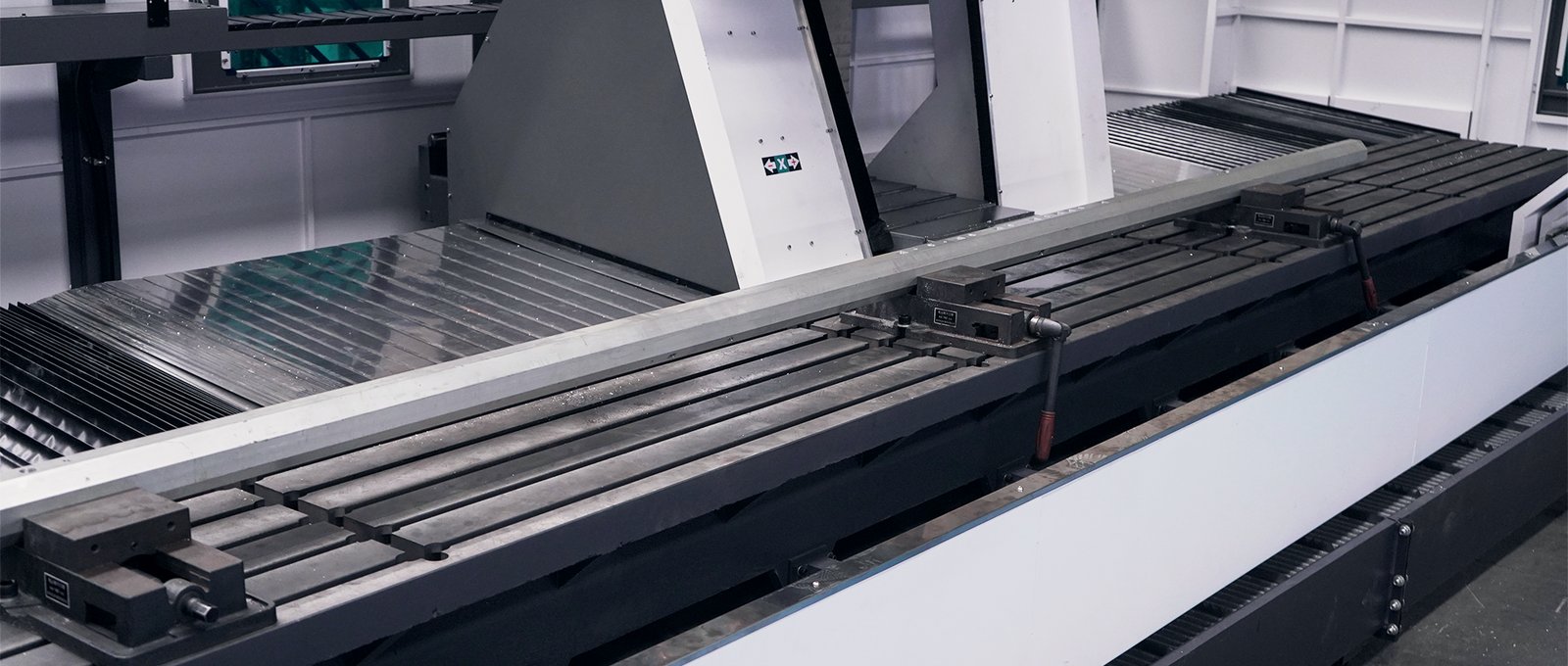
"How should this hole be made?" hides three completely different investment logics: extrusion-formed holes push cost into the die and amortise per metre; punching pushes cost into the punch tool and amortises per piece; CNC drilling-milling spreads cost across a few seconds per hole with near-zero tooling. The three cost curves cross at certain batch points — choosing a process is really judging which crossing zone your orders fall into.
1. Hole-geometry boundaries of the three processes
- Extrusion-formed: only through-holes or slots along the extrusion direction; cross-section limited by die strength; a new hole type = a new die
- Punching: outline limited by punch shape — round, slotted and figure holes fine; counterbores, angled holes and deep holes are hard; walls show tear-out and taper
- CNC drilling-milling: almost no geometry limits — through, counterbored, angled, deep, milled slots, faces; the highest hole-wall quality (no tear-out, no taper)
2. The cost curves: three crossings
Cost per hole = (tooling amortisation + per-hole time cost + per-hole defect cost). The three curves have completely different shapes:
- Extrusion-formed: high amortisation (dies from tens of thousands), per-hole marginal cost near zero → cheapest only at very large volume with a hole type that never changes
- Punching: medium die amortisation (thousands to tens of thousands), extremely short per-hole takt → optimal for medium-to-large batches with simple hole types
- CNC drilling-milling: zero tooling, the highest per-hole time cost → the only economical choice for small batches, many specifications and complex hole types
The crossings vary with material, diameter and wall thickness, but the order of magnitude is: below tens of thousands of pieces per year per specification, drilling-milling wins; single hole types above hundreds of thousands of pieces, punching or extrusion forming wins.
3. Quality: the hole wall tells the truth
Line-by-line comparison of the three processes
| Aspect | Extrusion-formed | Punching | CNC drilling-milling |
|---|---|---|---|
| Geometry freedom | Through holes/slots along extrusion only | Any planar outline; counterbores and angled holes hard | Nearly everything: counterbores, angled, deep, slots |
| Hole-wall quality | Depends on die wear | Tear-out band and taper; deburring required | No tear-out, no taper; ready for assembly |
| Changeover cost | New die, tens of thousands per type | Change punch, hundreds to thousands | Call a program, near zero |
| Batch threshold | Very high (die amortisation) | Medium-high | None (economic even at one piece) |
| Position accuracy | Set by the die | Depends on punch and locating accuracy | Guaranteed by program, identical across batches |
| Follow-up work | Usually needs face milling etc. | Deburring nearly always needed | Chamfer and deburr in the same setup |
4. A hybrid line is the norm, not a compromise
Mature profile shops usually run all three: the two or three best-selling specifications consume 80% of volume through extruded or punched holes; the long tail — trials, custom orders, everything else — goes to CNC drilling-milling. The simple test for whether you need a machining centre: add up the hole-machining hours of your long-tail specifications. If they exceed one person-year, the machine's ledger balances itself.
Frequently asked questions
- Can CNC drilling remove the tear-out band from punched holes?
- Yes, but the more economical route is to drill critical holes on the machining centre from the start and leave punching for non-critical ones. A tear-out band is unacceptable on load-bearing and fitting holes; the punch-plus-ream combination rarely beats simply drilling.
- Extruded hole positions are not accurate enough. Any remedy?
- Extrusion hole positions are set by the die and puller, with tolerances wider than machining. Where assembly needs precise positions, the common practice is to extrude solid and drill/mill afterwards — wherever extrusion cannot deliver the accuracy, hand it to the machine.
- Our punch dies are already made. Is a drilling-milling centre still necessary?
- Look at the hole types of incoming orders: once new products need counterbores, angled holes or milled slots that a press cannot do, the machining centre enters as a long-tail line parallel to the punch line. That is how most factories acquire their first centre — first taking the jobs the press cannot do, then gradually absorbing the most changeover-heavy specifications.
- Can the three processes be combined on one machine?
- CNC drilling-milling itself covers most hole types of a punch line (except ultra-fast single-hole takt), plus milling, cutting and end machining. Some models integrate fibre laser cutting, extending coverage to free-form contours. So the combination is not three machines side by side — it is one machine eating the long tail of all three processes.
Send us your order structure (number of specifications, batch distribution, hole-type list) and we will help you judge which orders should stay on the punch line and which should move to a machining centre, with a machine recommendation and takt estimate to match.