Selection
Technical Insights
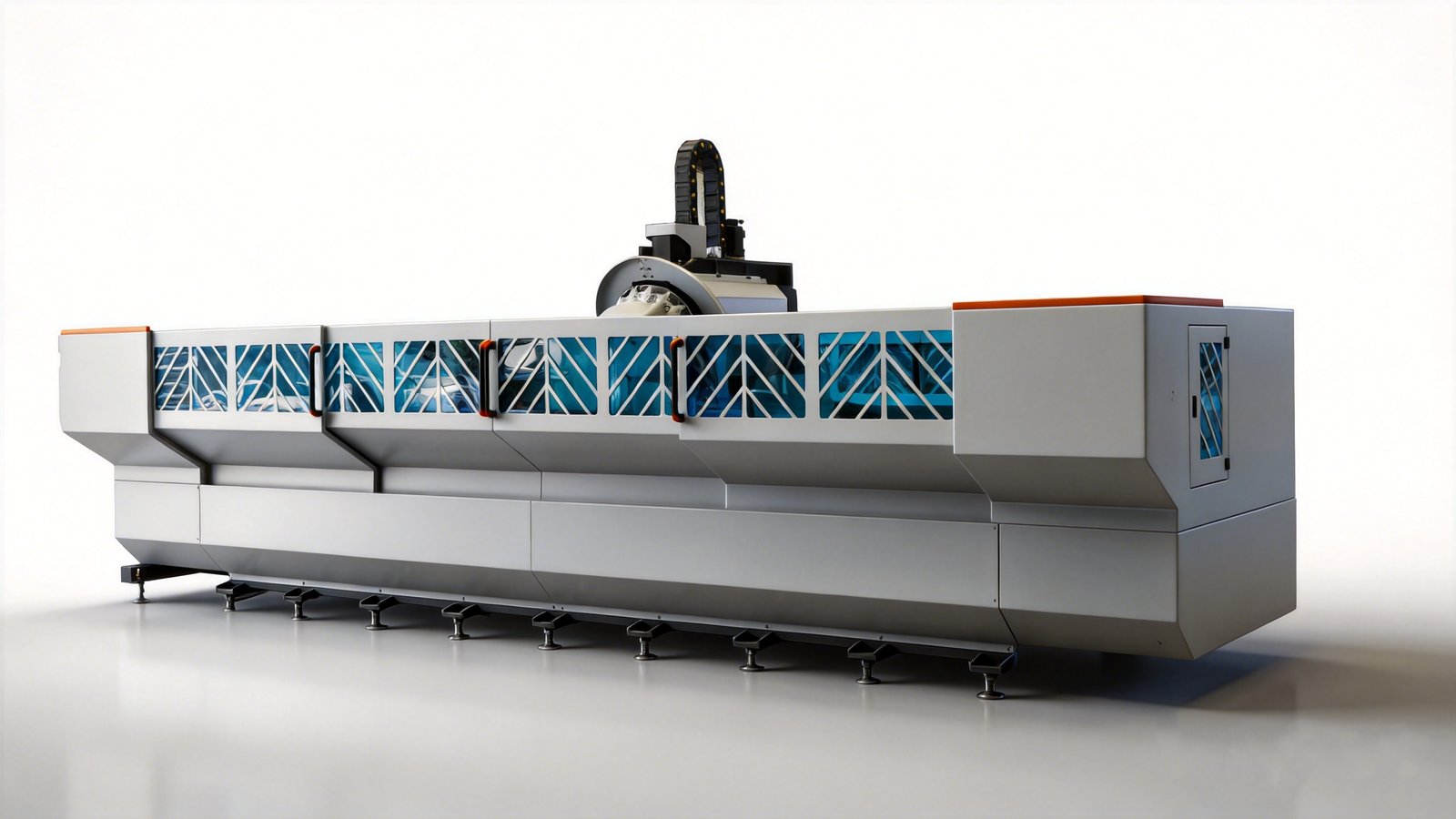
Comparing two machines — or comparing "buy versus keep the current line" — by sticker price never yields a conclusion. Only two numbers are truly comparable: machining cost per piece (or per hole), and the payback period of the incremental investment. Both can be calculated yourself; all you need is five cost figures and an honest method. This guide lays the ledger open.
1. Per-piece machining cost: five components
- Depreciation: purchase price + freight and installation + initial spare parts, spread over 5 years (or your own horizon), divided by annual volume
- Labour: operators × wage ÷ machines per operator. A CNC machining centre typically lets one operator tend 2–4 machines
- Tooling and consumables: track tool life by hole count and convert to cost per hole; in aluminium it is usually a few cents, in steel an order of magnitude higher
- Energy and air: spindle power × load factor × electricity price; typically a few yuan per machine-hour
- Rework and scrap: the chronic cost of the current method — convert the current rework rate to money; a CNC route usually collapses this line
2. The payback formula and a worked example
Payback = incremental investment ÷ annual savings, where annual savings = (current cost per piece − new cost per piece) × annual volume. Example: a railing factory makes 30,000 profile brackets per month on three single-process machines (punch + drill press + edge mill) with four operators; after switching to one WGTA-4500, per-piece cost drops from ¥3.2 to ¥1.1 (labour 4→1, rework 5%→0.5%, tooling slightly up). Annual saving = ¥2.1 × 360,000 ≈ ¥750k; incremental investment ≈ ¥600k → payback ≈ 10 months. Neither the boldest nor the most conservative figure — a middle value from real-world assumptions. Your numbers must come from your own data.
3. Three scenarios, three shapes of ledger
- High volume, single specification: the ledger lives in takt and labour — one fen off per piece is hundreds of thousands a year
- High mix, small batches: the ledger lives in changeover and tooling — one drill jig saved per batch, multiplied by every specification
- Refurbishment / rework business: the ledger lives in yield — scrap falling on warped stock and re-cut old holes is profit, directly
Current three-process line vs one machining centre: cost lines compared (worked-example basis)
| Cost line | Current (3 machines + 4 operators) | One WGTA-4500 + 1 operator | Change |
|---|---|---|---|
| Labour (monthly) | 4 operators, full shift | 1 operator tending + loading | −3 operators |
| Rework / scrap | 5% (mostly marked-out hole drift) | 0.5% | −4.5 points |
| Inter-process transport | 3 transfers per piece | 0 | Zeroed |
| Tooling | Punch dies + drills + mills | Drills + mills (slightly up) | Die cost zeroed |
| Depreciation | Residual value of 3 old machines | 1 new machine over 5 years | Incremental investment = the payback object |
Frequently asked questions
- Can tooling cost really be computed per hole?
- Yes — and it should be. Drill life is counted in holes (HSS in aluminium: hundreds; carbide: thousands); cost per hole = tool price ÷ total holes including regrinds. Most factories discover on first calculation that tooling is a smaller share than expected, and rework a larger one.
- What payback period is reasonable?
- The common industry range is 12–24 months. Under 12 months, re-check the assumptions (are volumes real, will labour really drop); over 36 months, seriously question whether the order structure and substitution logic hold.
- What lines are most often missed in payback calculations?
- Three: programming and commissioning labour (heaviest in the first three months); freed floor space and transport resources (a saving, often ignored); and residual value of disposed machines (also a saving). Add all three or the ledger is incomplete.
- Does one machine replacing many always hold?
- Not always. It holds when the operations can be merged into one setup: if your current process includes operations a machining centre cannot do or cannot do economically (very large cuts, heat treatment), discount the substitution ratio. Ask the vendor to mark every step of your process list as merged/retained — more reliable than any multiple.
Send us your five data points — monthly volume, current labour and machine list, rework rate, typical hole drawings — and we will return a cost comparison and payback calculation on your own basis, ready for internal project approval.